Mixed plastic waste breaks all three of the industry’s promises
The plastics industry was built on three key promises: high-quality parts, low cost, and consistent performance. The greatest limitation of the industry lies at the end of a product’s life cycle: what happens to the material once it becomes waste? While post-industrial waste can be reused relatively easily because it is sorted off the line in the factory where it was produced, it is a different story for mixed plastics. The plastic that washes up on beaches around the world represents both a huge problem and a great opportunity, and an innovative design solution is needed to address it.
Read more
Read less
Waste plastic is currently seriously underutilised as a material because (at the moment) it cannot live up to the same market demands promised by virgin plastics. While extensive sorting and processing of mixed waste plastics can produce consistent parts, the cost advantage disappears with the contamination of mixed materials. Use it as is, unsorted and mixed, and it's cheap to process, but you lose control of the aesthetics and structure.
The LPM Project set out to break the trade-off. The goal was to engineer a solution to use plastic waste in its cheapest form, mixed and unsorted, while still delivering products with curated aesthetics and dependable structure. This is where the LPM Project really started, and what drew me to it was solving a problem I grew up witnessing. I have been a keen SCUBA diver since I was a kid, and throughout my life I never saw a long-term, impactful solution make a real change to the problem. I felt this was my opportunity to do something about it.
Why does the matrix have to be virgin plastic?
WasticFibre started with a question I asked about six months out of university. The composites facility I'd joined used a special commingled yarn with virgin polypropylene threads running in weave with dry fibreglass: it worked like a prepreg, but with thermoplastic as the matrix instead of epoxy. It was already being used to reinforce plastic waste products. Looking at it, the question seemed obvious. Why does the matrix have to be virgin plastic?
Read more
Read less
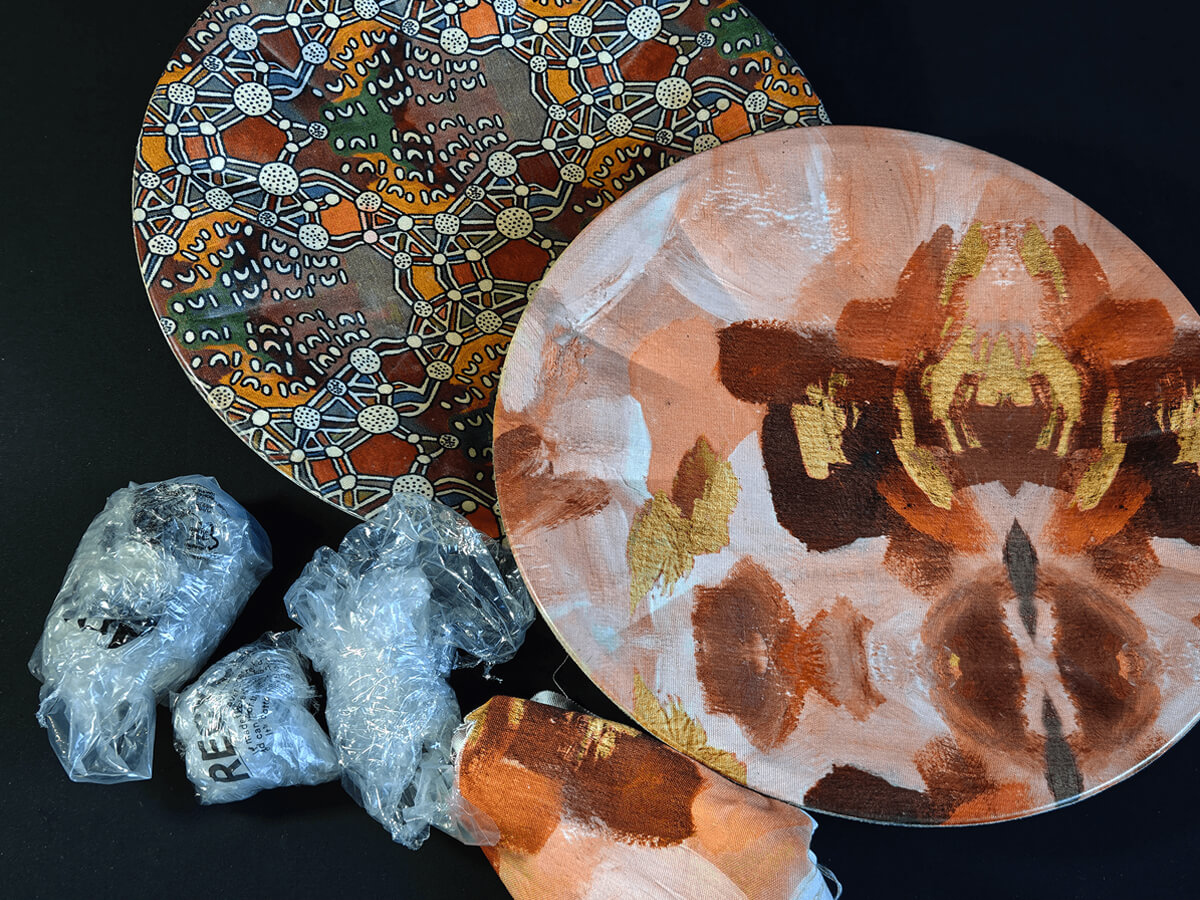
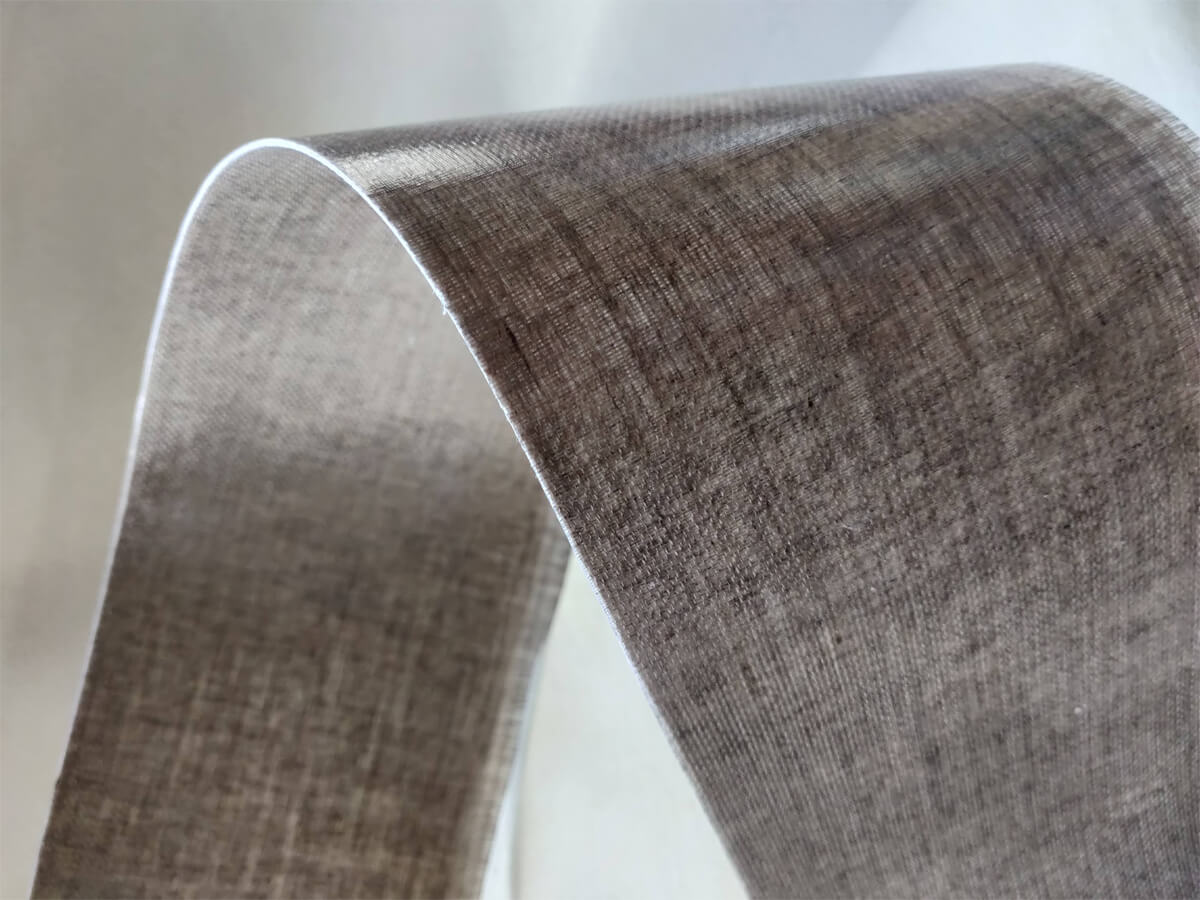
Polyolefins, being a thermoplastic, are among the most forgiving plastics to mould. Polyethylene is one of the more common polyolefins, and is found in soft plastic bags. These plastic bags are both seen as unrecyclable by the industry and responsible for some of the most devastating environmental pollution. I had seen this first-hand SCUBA diving and participating in beach clean-ups. Armed with this information and a bit of curiosity, I researched the melt temperature of low-density polyethylene (LDPE), pulled out some orphaned flax composite sheets, and treated the two materials the way I'd treat a composite laminate. What came out was a square of material with structure, consistent colour, and the behaviour of a flexible composite sheet. I used a composite flax fabric because my boss suggested it, and when I showed him the result, we instantly saw an application in reinforcing some of the mixed plastic waste forms we were producing. We named this new composite technology WasticFibre.
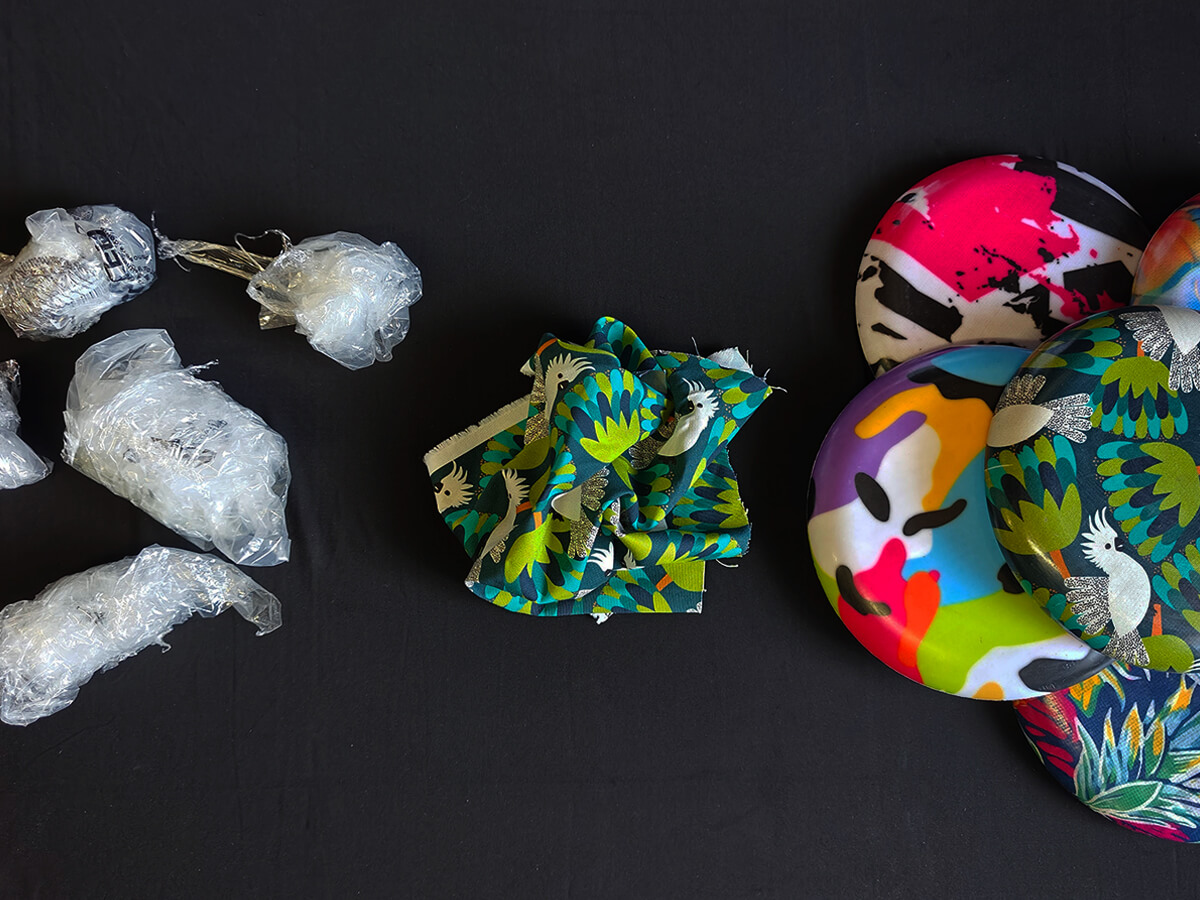
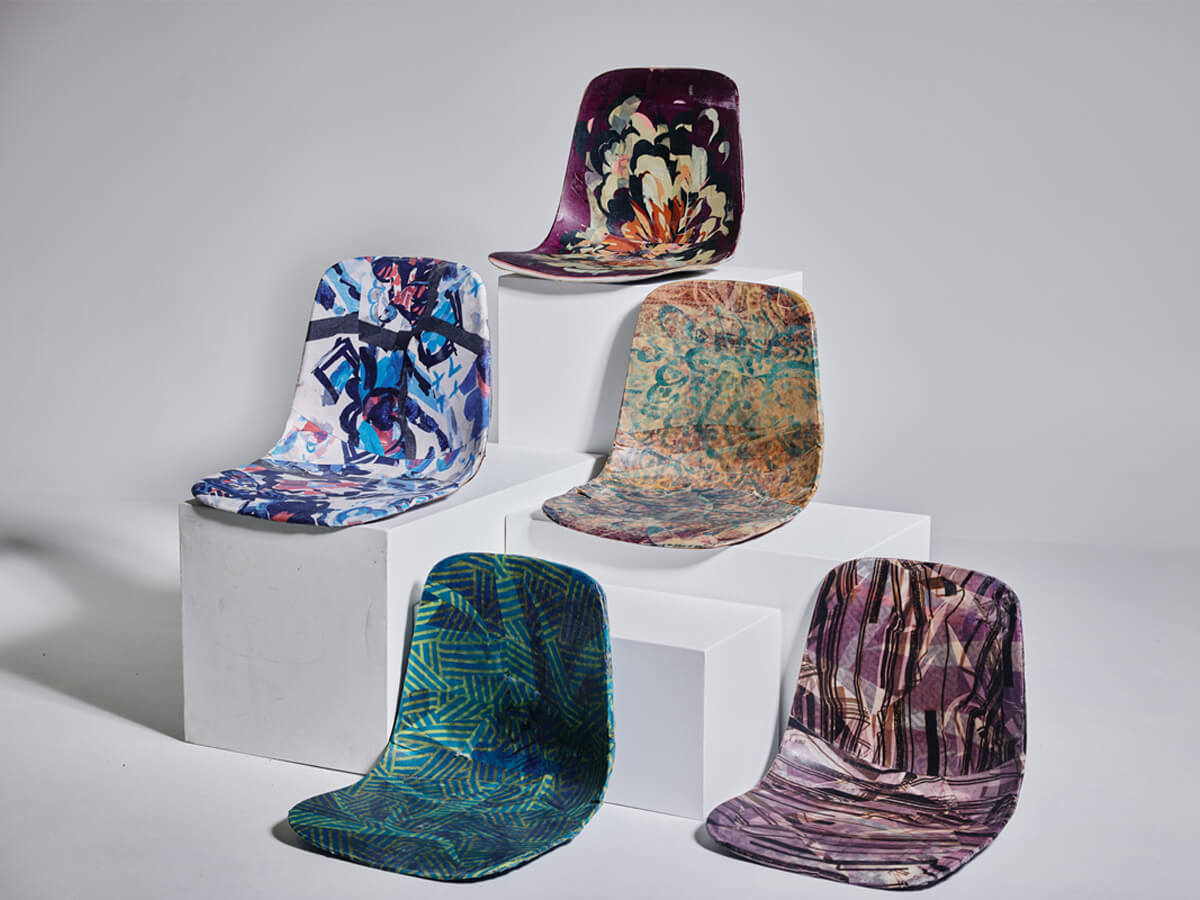
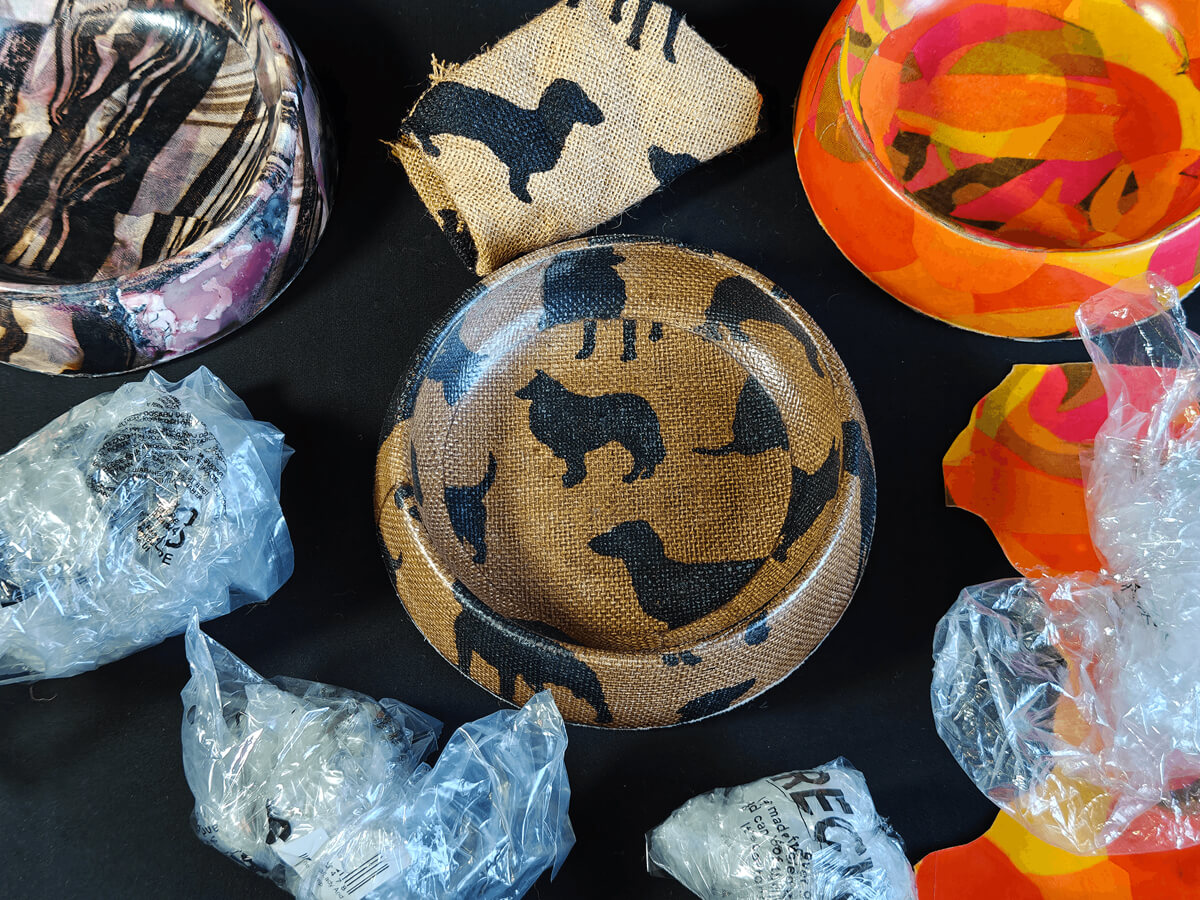
The clever thing about WasticFibre is that once made, it handles like a prepreg laminate. You can cut it into templates with scissors and shape it into forms with heat. LPM was already compression-moulding plastic products from mixed waste, so the application was immediate: skin those products with WasticFibre and you solve both failures of mixed waste at once. Reinforcing fabrics, fibreglass or flax, carry the structure so the waste matrix doesn't have to. Printed fabrics form the surface, so the aesthetics are designed rather than inherited from the waste stream.
The hard part was never making the products, or even deciding what to make. The biggest challenge was scaling production and convincing the market to adopt our technology. We had to develop a scalable production model ourselves, mostly deriving it from decades-old plastics manufacturing systems. Our technology then had to be sold into a market where everyone, businesses and consumers alike, has learned to be sceptical of recycled plastics. Neither came easy.
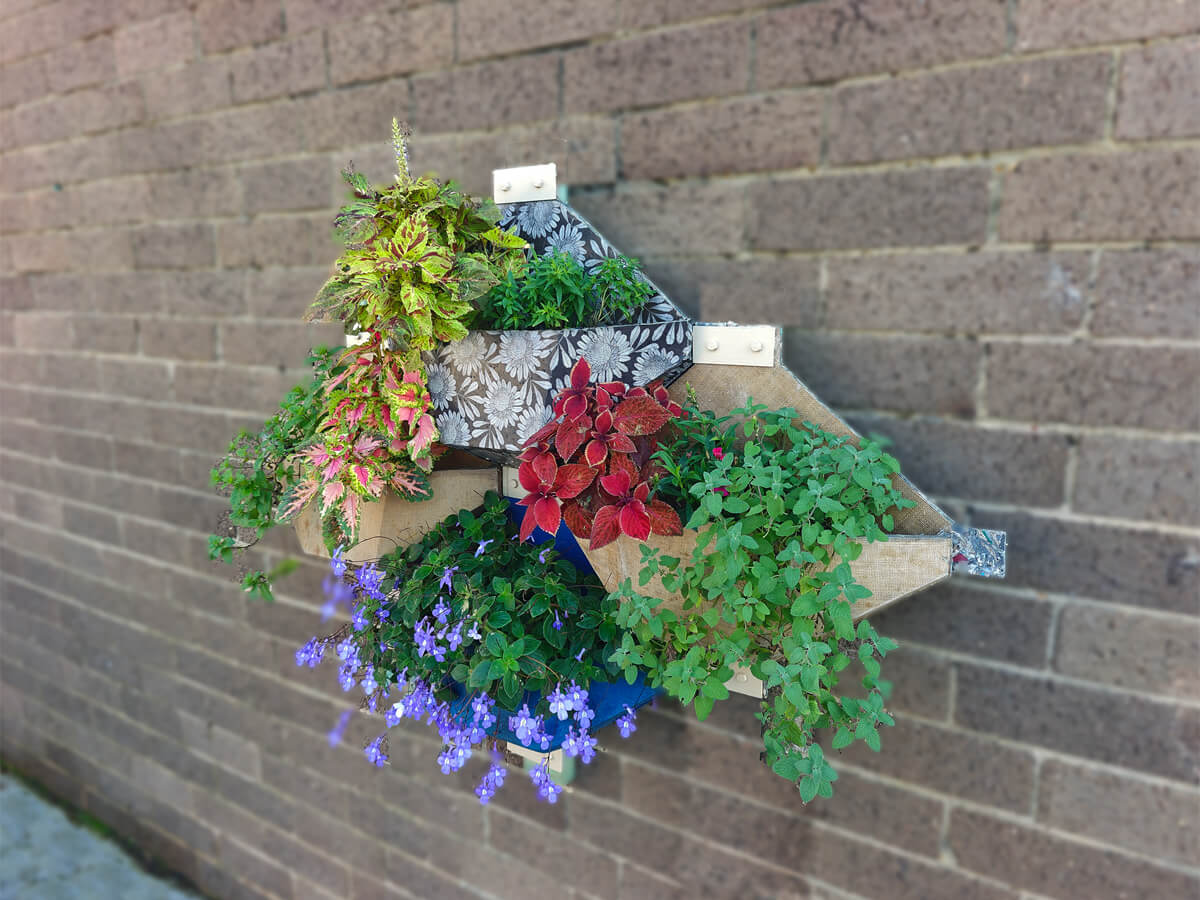
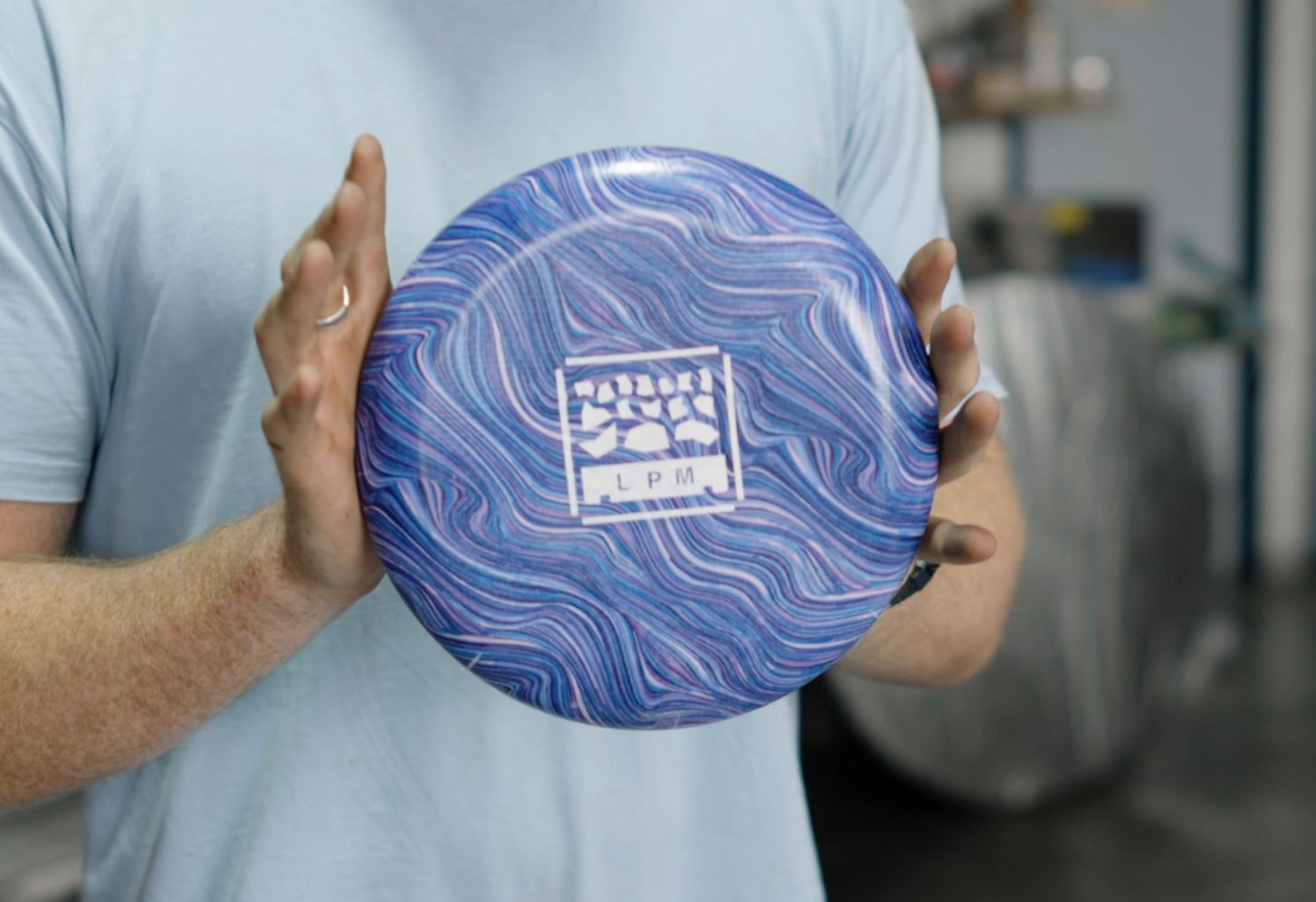
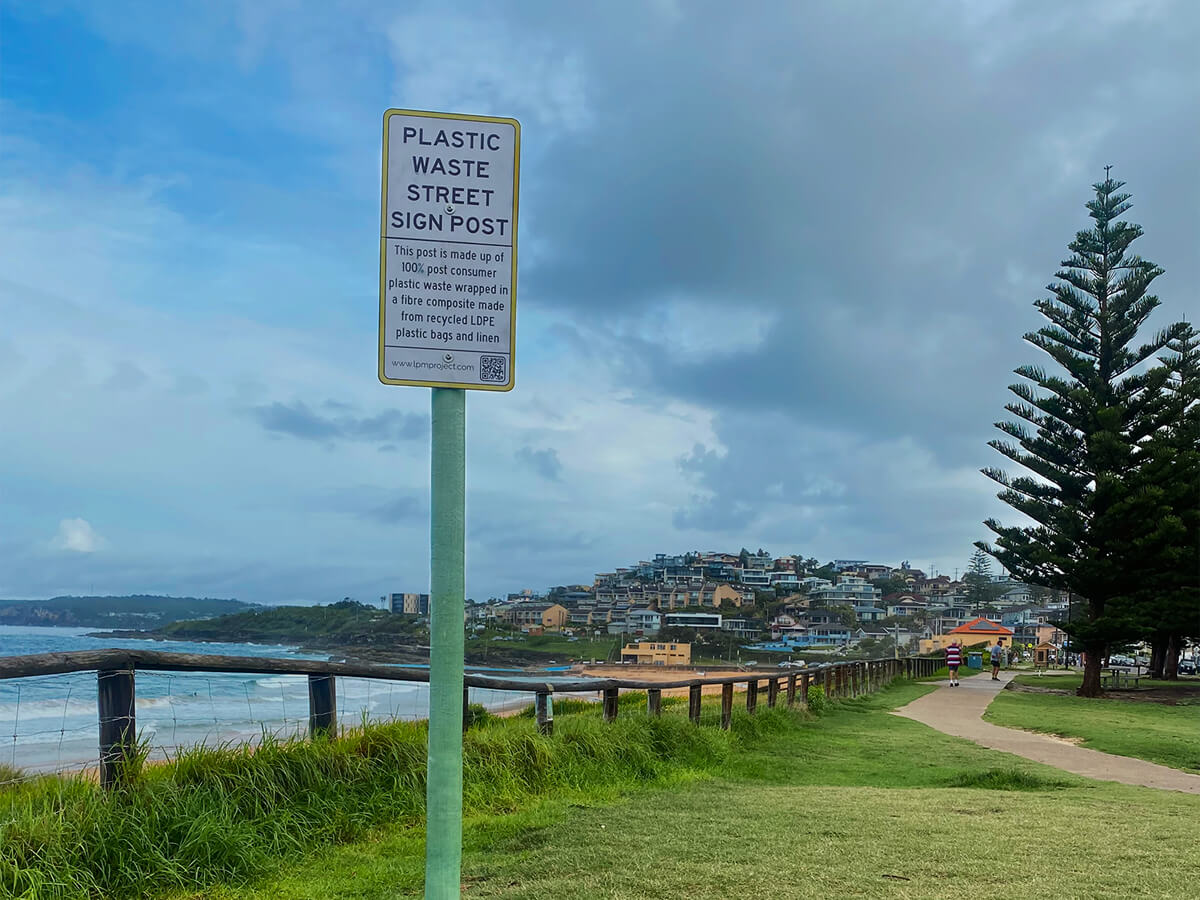
In order to show the potential of our technology, we had to develop a diverse array of products across multiple markets. WasticFibre has been used in prototype bowls and homewares for Country Road, frisbees for our own shop, one-off motorbike fenders for Deus Ex Machina, and poles that are still in development for a client. Each product tested a different demand on the material, and each client tested a different market. Our technology has been proven effective for a wide variety of applications spanning homewares to infrastructure.
The success of applying the technology across so many markets gave us a great sense of the potential for further growth. We filed a patent application (application AU2024203765), and I am named as a co-inventor. Filing the patent was a huge moment in my career, and I feel so proud to have achieved something like this so early on.
A good idea is not enough on its own
Scepticism about recycled plastics runs deep, with businesses and consumers alike, and no amount of explaining the technology gets past that. It frustrated me at the time. I could not understand how people did not see what this meant. It took a while, but I learned a valuable lesson, a good idea is not enough on its own. People need to see it work in their own context first, which is why the range of products matters as much as the material does. You need to prove to people that your material can change something for them, not just tell them how it can.
Read more
Read less
The same technology makes a frisbee and a street pole
We have developed a wide product range using our WasticFibre technology, proving the applicability of the material. We ran structural load testing on some 35 mm poles and had them fail under a 60 kg load over a 500 mm span. It was a three-point bend test. The really incredible result was that it failed like a composite part rather than the slow creep of a plastic one. We used the flax reinforcement on the test piece. We also took this technology to Fiji and installed it into an LPM pilot facility in Suva. We made frisbees, cricket stumps and street poles.
Read more
Read less
State winner, national finalist, and in a university consortium
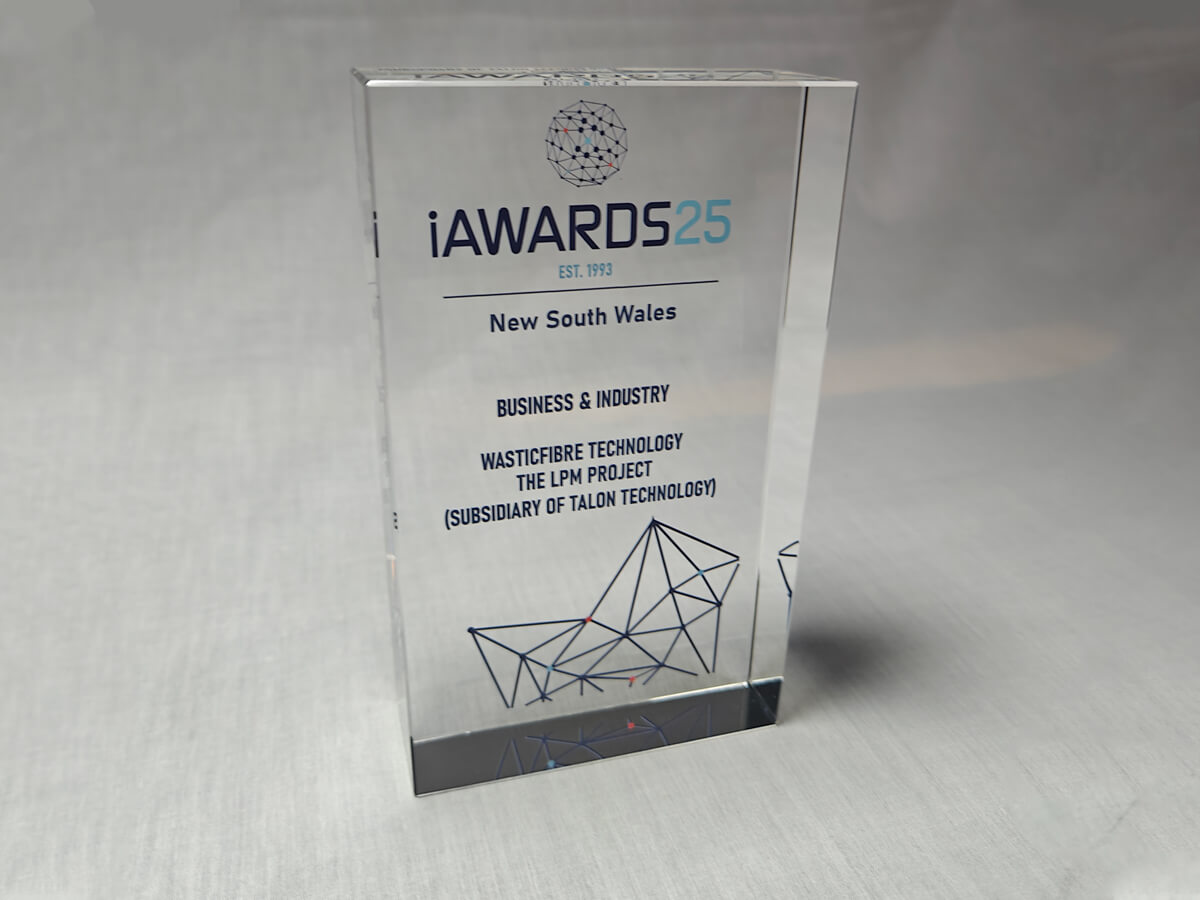
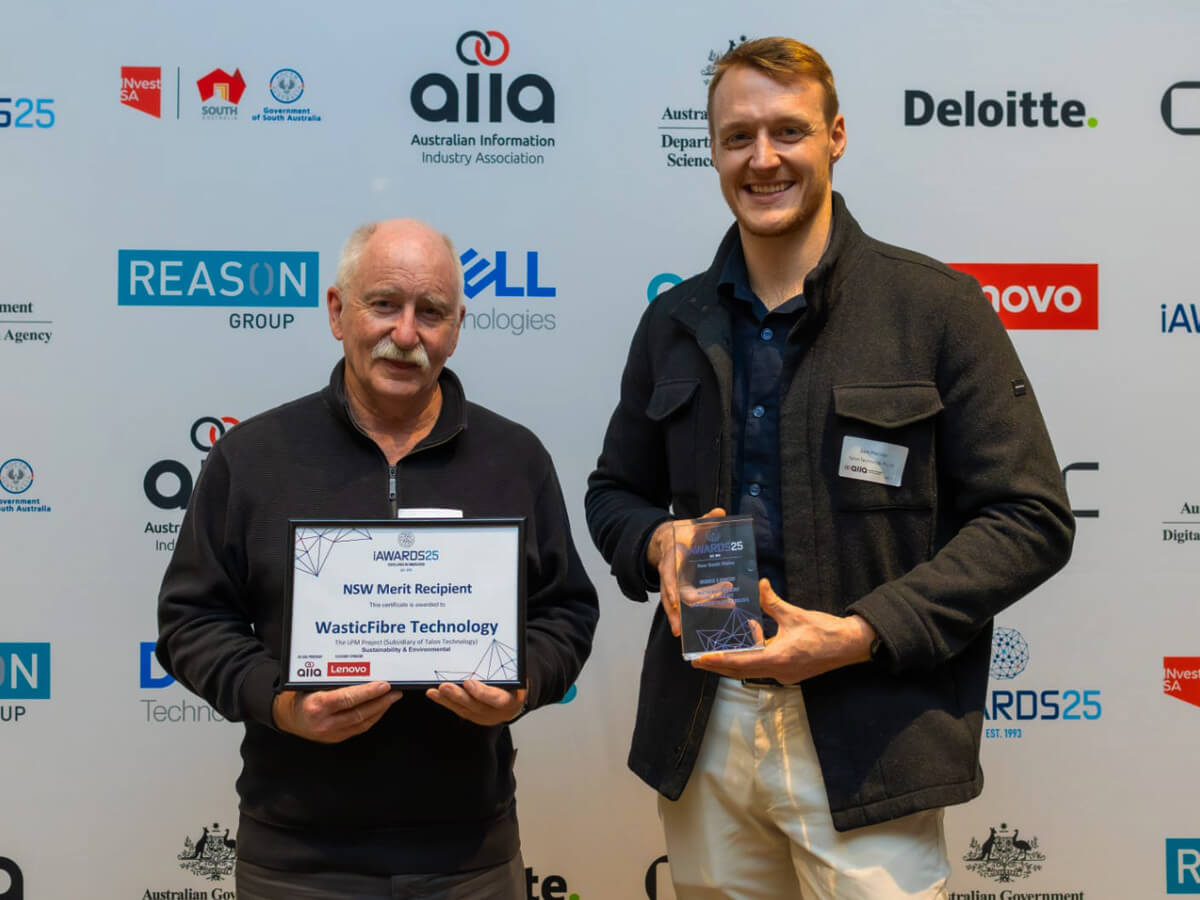
WasticFibre carried the LPM Project to the 2025 AIIA Innovation Awards. The project was the state winner in the Business and Industry category, progressing to the national finals, and was also awarded a merit in Sustainability and Environment. For a technology that started with a few Google searches on melt temperatures and some orphaned flax sheets, seeing our hard work recognised was hugely rewarding.
Read more
Read less
The technology was also selected as the key component for a government-funded consortium, NOWASTE, led by the University of Southern Queensland. As part of the mandate we had to run an education workshop. I ran two workshops in schools in Toowoomba to showcase our technology and teach the potential of reusing waste plastics. I made frisbees with the students using waste materials that they had brought from home, inspiring them to see waste plastic as a resource, rather than rubbish.
The current production of WasticFibre products utilises the LPM Compression Barrel Heater (CBH) to process the waste feedstock. The CBH is a machine I designed and built across three generations, as told in the CBH case study.