Put LPM technology in the hands of a community
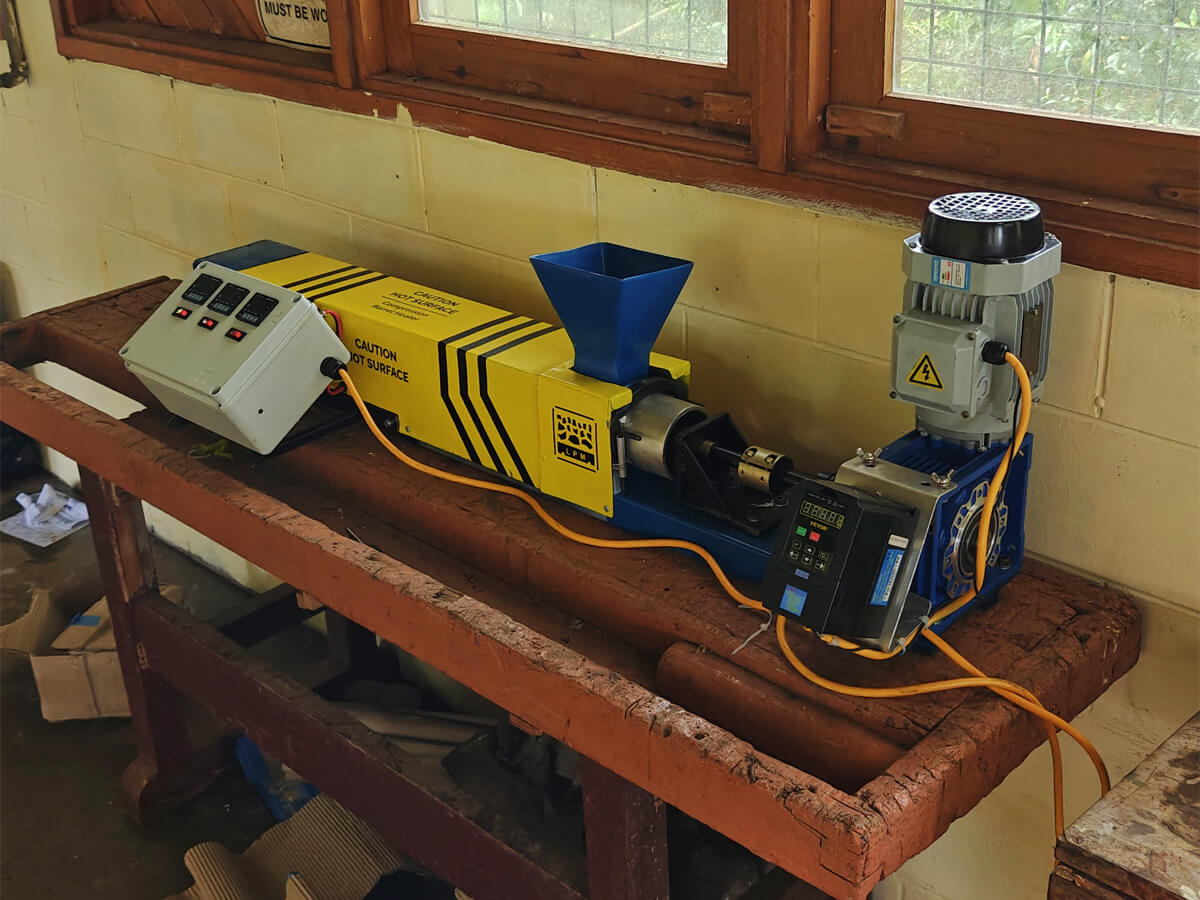
The LPM project’s mission is to create community-run recycling facilities, revolutionising plastic recycling and transforming plastic waste into exclusive products. At this point, we had done two of those three things. Our WasticFibre technology revolutionises how plastics can be recycled, and our Compression Barrel Heater (CBH) allows us to transform the waste into products. All that was left was to apply our technology in a small island community within Asia Pacific, our target region where we have seen plastic waste at its worst.
Read more
Read less
This is where the Centre for Appropriate Technology and Development (CATD), located just outside of Suva, Fiji, came into the picture. CATD were willing to be our first pilot facility and trial our technology and equipment. Made possible by funding from the British High Commission in Fiji, and through two contacts my boss knew over there at the time, we set to work. The brief was complex, and as I'm writing this, knowing that I’ve done it, I'm not really sure how we did.
The budget was about $50,000 AUD. That had to cover everything. We had to ship everything from our factory in Sydney, set up the facility with all of our equipment, some of which I had to build on-site, cover travel costs, and then train CATD staff on operations. Not only that, but we had to be prepared to make and manufacture products that could be productionised in Fiji, ready for sale. It was a lot to take in, but it's what I had been working towards since the start of LPM, and I was ready to dive in.
Pack a factory into a shipping container, then teach it
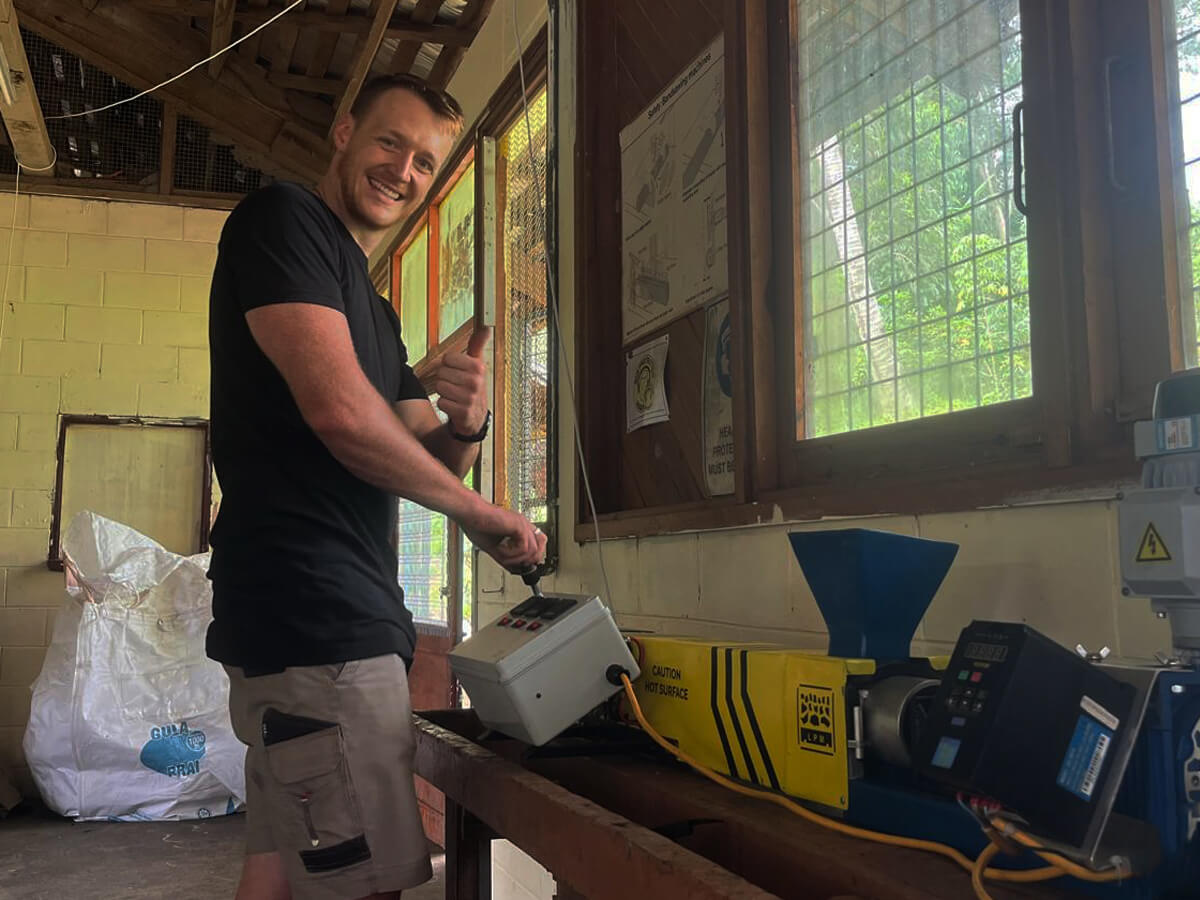
The first thing that I had to ensure was that all the equipment needing to be sent was ready. While almost everything was ready to go, I did have to put a few final touches on the CBH. It needed a paint job, and I had to re-test the heaters and motor for a full day to determine exactly how much material we could output in a day. From this, I could calculate how many moulding tools we would need to make the products at a continuous pace.
Read more
Read less
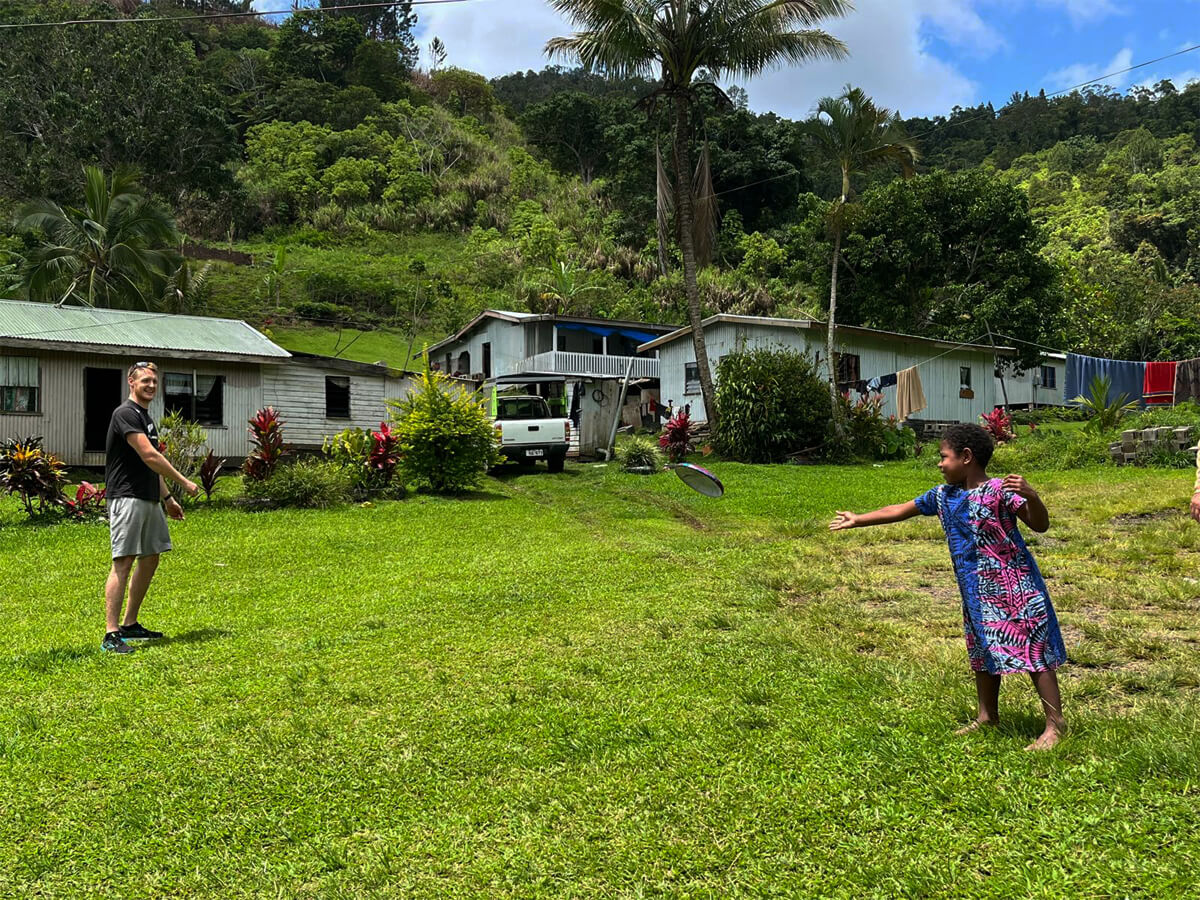
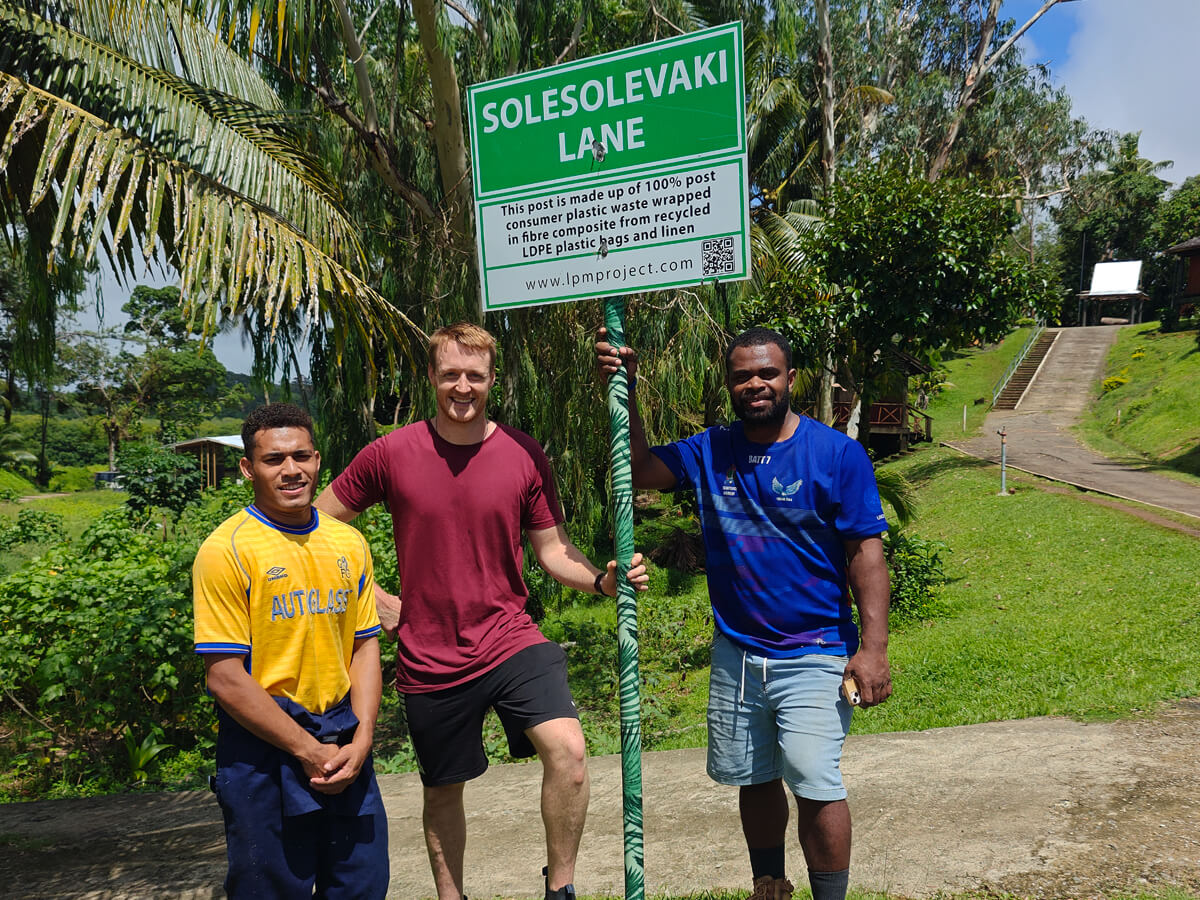
The next part was figuring out what products we were going to teach the operators to manufacture. We had quite an extensive library at this point as the LPM had been running locally for a few years. We collaborated with our contacts on-site to understand what products would translate well in the Fijian market. We settled on producing frisbees that could be sold, with an embedded message to teach Fijian kids about sustainability. We also decided to make 60 mm poles and 38 mm posts to be used for street signs, fencing and other community infrastructure needs.
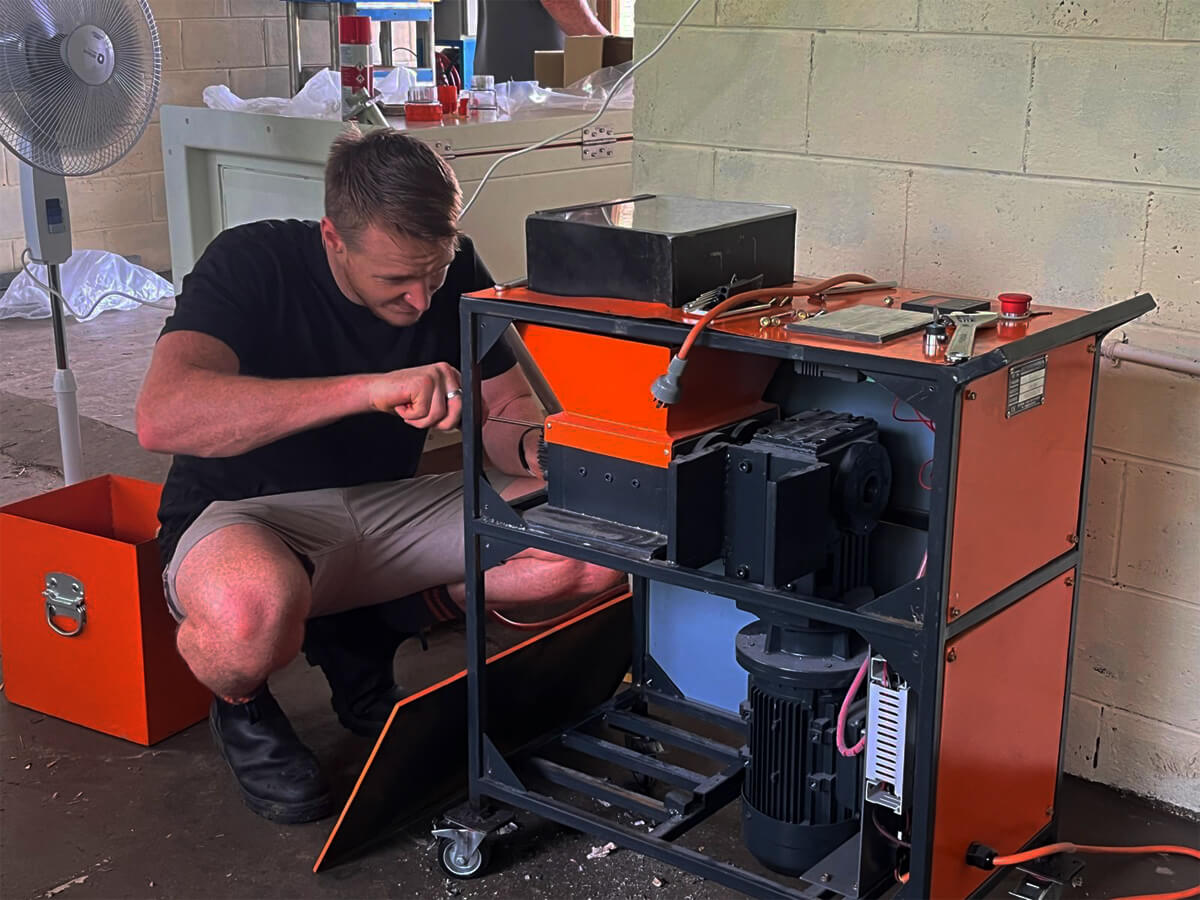
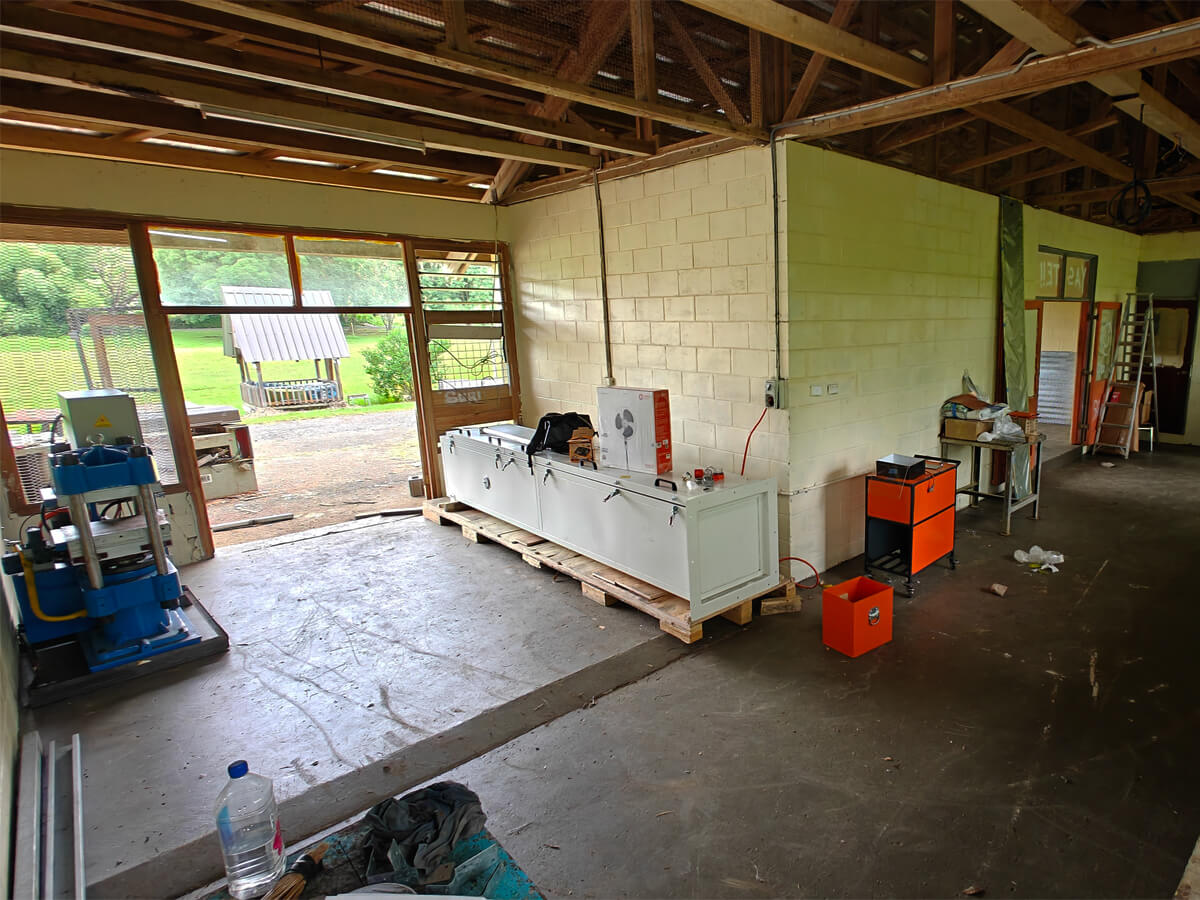
Once the CBH was ready and we had a good understanding of the products, we had to order in some external standard production machines and tooling from China to support the other parts of our operation. We needed a tall custom-made oven, internally 500 x 500 x 3800 mm, a 50-tonne heated platen press, 400 x 400 mm platens, and a shredder. We also needed tooling CNC-cut for the frisbee tools. Ordering the machinery and liaising with suppliers to make sure everything was manufactured to spec was an intense job. Chinese machines are typically very well built for their price. The caveat to that, in my experience, is the electrics. I have seen a machine that runs off 3-phase 415V with no grounding for the steel chassis. Because of this, we had to get an electrician in to rewire what was needed and make the machines safe to operate.
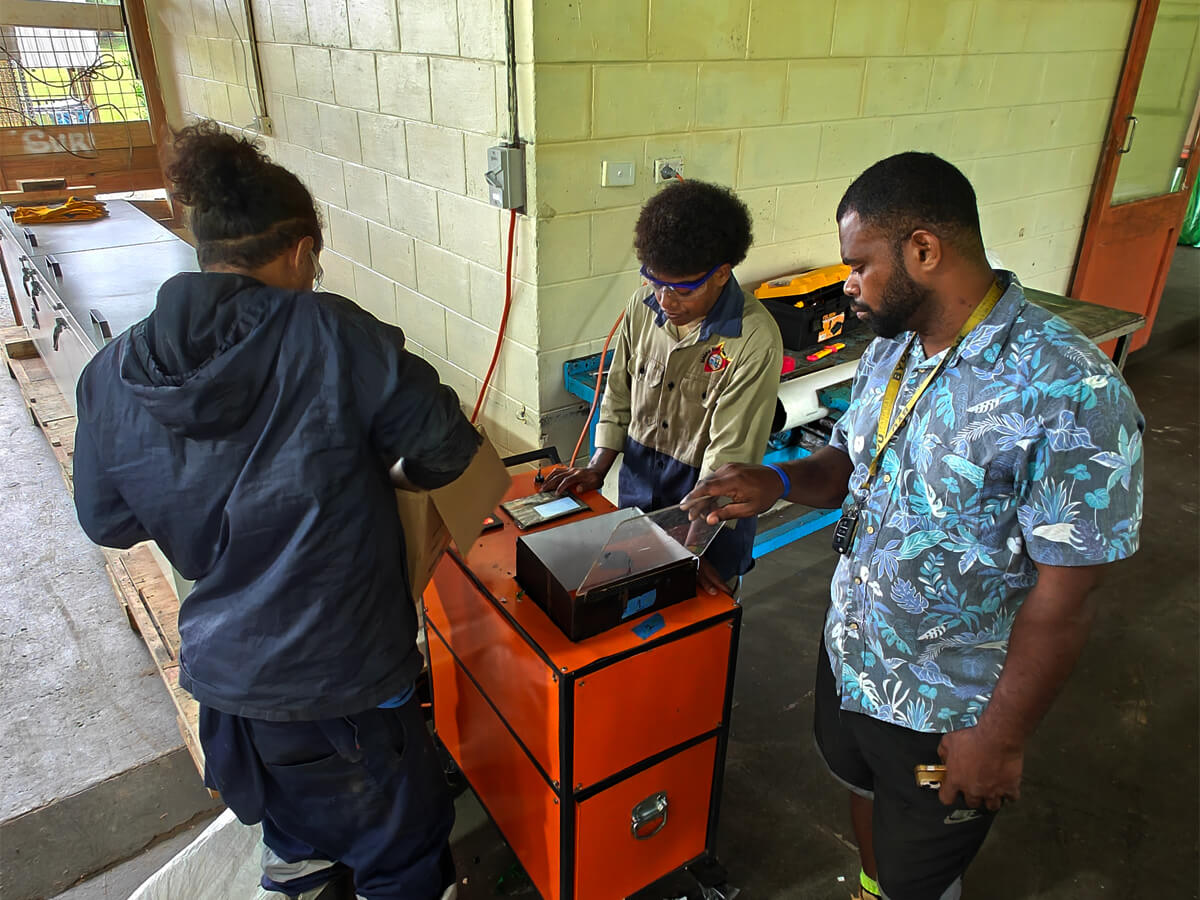
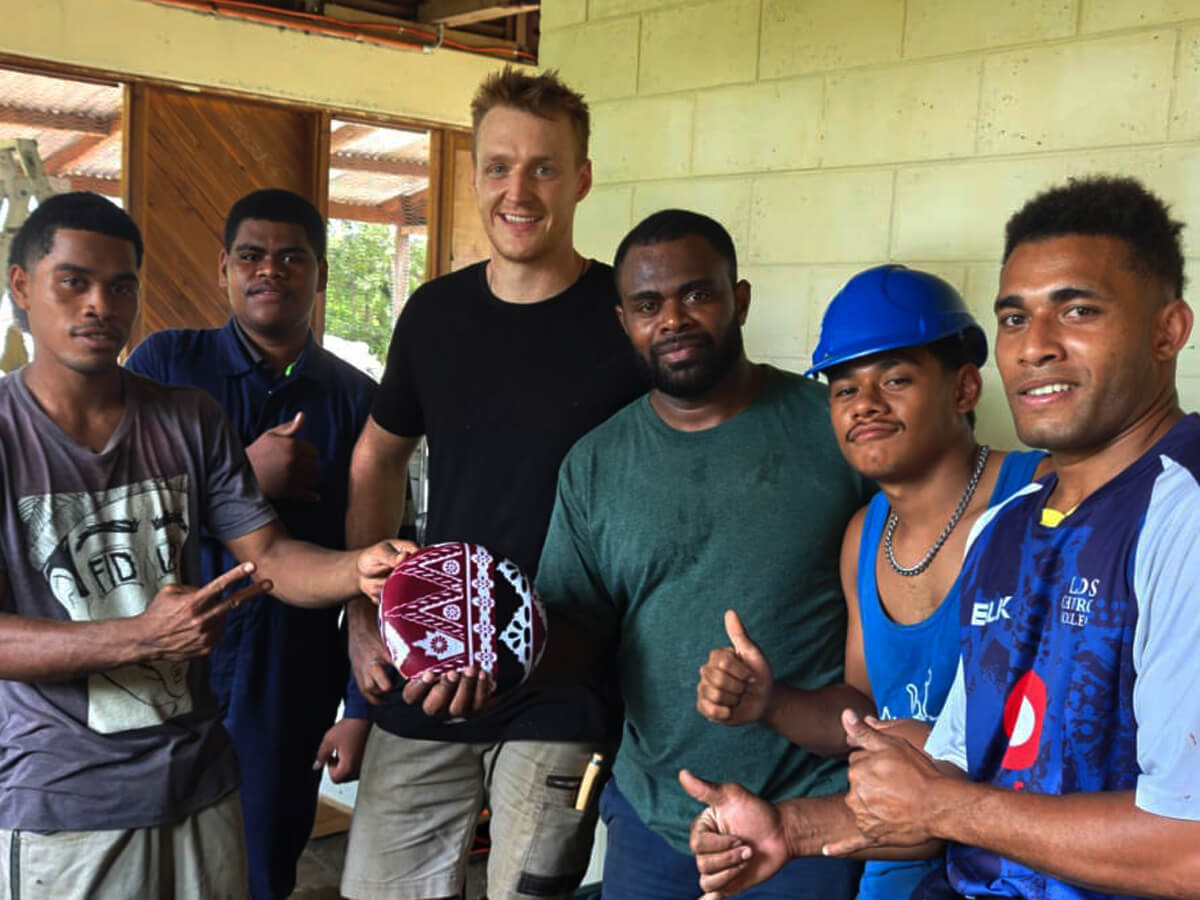
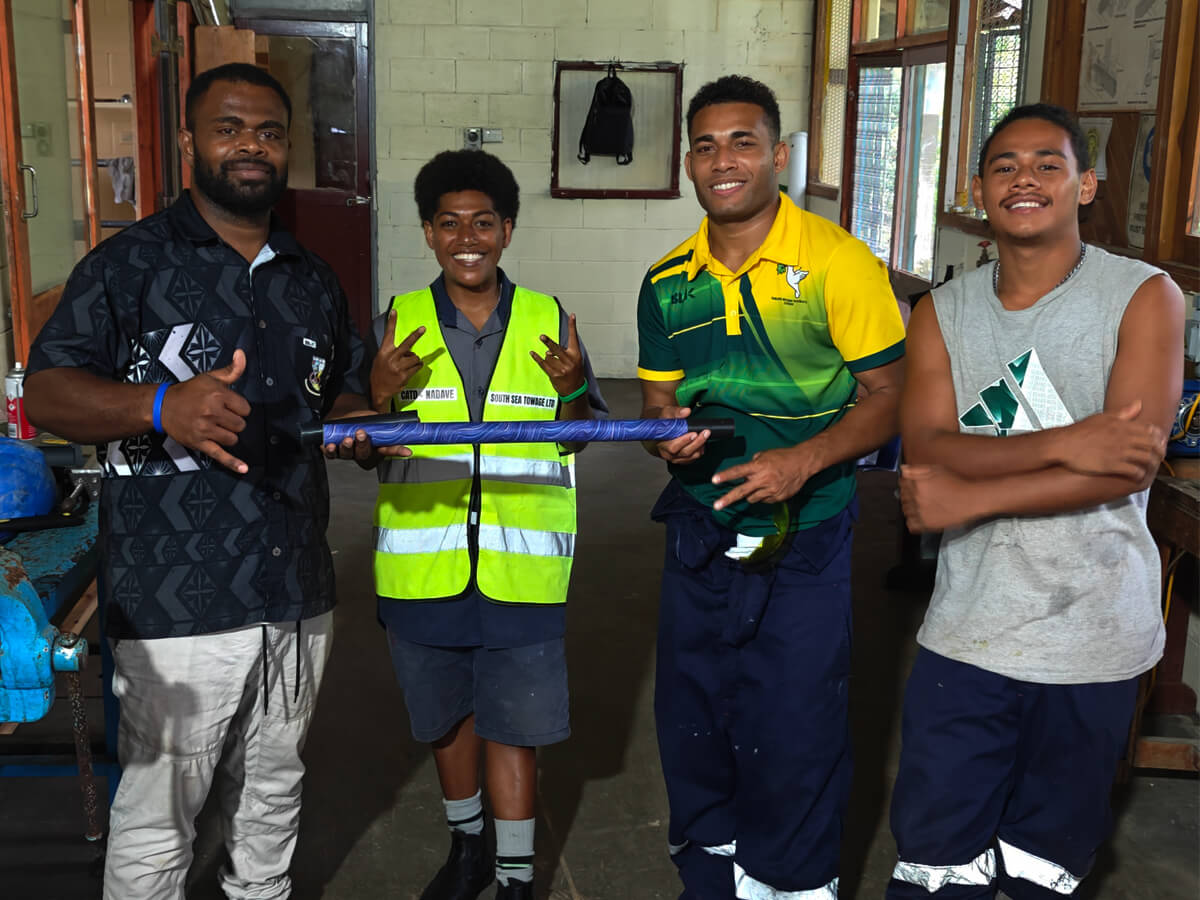
The packing and shipping went off without any major issues. We dropped the boxes off down at the dock, and the next time I saw them was in Fiji. The whole experience was initially pretty daunting, but I was really excited to see all of my hard work pay off. My boss came with me for the first week to help manage the setup of the facility and machines, which helped. I was alone for the second week and tasked with training the group of Fijian workers. While we were setting up the machines, we used it as an opportunity to familiarise the workers with the operation process. This really streamlined the training. When it came down to actually getting them to make the first few parts themselves, I was very impressed with their technical ability. Their skill level was actually a little frustrating, as I had hoped to find common failures to show how they could be fixed. To fix this, I ended up purposefully failing parts and pointing out what I did to get the failed results, which worked just fine.
After the two weeks, I set up weekly meetings with the two appointed managers to track progress and troubleshoot. About two months later, we ran a further two-week program at our Sydney facility, mostly upskilling: more advanced parts, and experience of what a full production factory looks like day to day.
Being specific was not enough to stop a 4.3 m oven
It is always interesting ordering from overseas. We specced the oven at a maximum of 4000 mm high, because anything taller would not fit in our workshop. When the photos came through, it had a 4000 mm chassis with a 300 mm motor sitting on top of it. After I explained the problem, the supplier asked whether I could cut a hole in the roof of our workshop to make it fit... I did not. We got lucky: the facility in Fiji had a higher ceiling than ours, so it was not the problem it could have been. What stuck with me is that I had been specific. The engineering drawings were there and I had explained why the height mattered, and it still was not enough.
Read more
Read less
Frisbees sold, stumps delivered, posts in the ground
We manufactured and sold frisbees and stumps, and also installed the 60 mm posts around the campus at CATD. The facility ran and operated as a fully functional manufacturing cell, proving that our process and technology are applicable in remote environments. The support from the locals was enormous. Everyone who came down to the facility left with a smile, and there was no shortage of questions. The British High Commissioner of Fiji at the time also paid a visit and was very happy to see the grant money spent in a way that would make a difference. It was a life-changing experience for me, one I will never forget.
Read more
Read less
What it proved, and what we got wrong
The outcome has unfortunately been clouded with a few mixed emotions. On one hand, I am so proud to see my technology working and making plastic products from waste material that was otherwise unrecyclable. On the other hand, I'm disappointed because the facility is no longer in production.
Read more
Read less
This is for a few reasons, and the first one is on me. I overlooked one very important aspect when it comes to manufacturing a product. The market. Without a consistent market for the facility, we saw a stall in progress. Sadly, there was also a breakdown in the relationship between those responsible for the facility. This was difficult to process as it was not something that could be solved from Australia.
On a more positive note, the whole story of the Fijian facility setup did show a lot of success for LPM. Through our experience, we know that local people are keen to have our technology as a solution to the plastic polluting their environment; we know that our equipment has been designed and made in an easy-to-understand way, and most importantly, we know that LPM technology can make a real difference.