Changing production and market on a live product
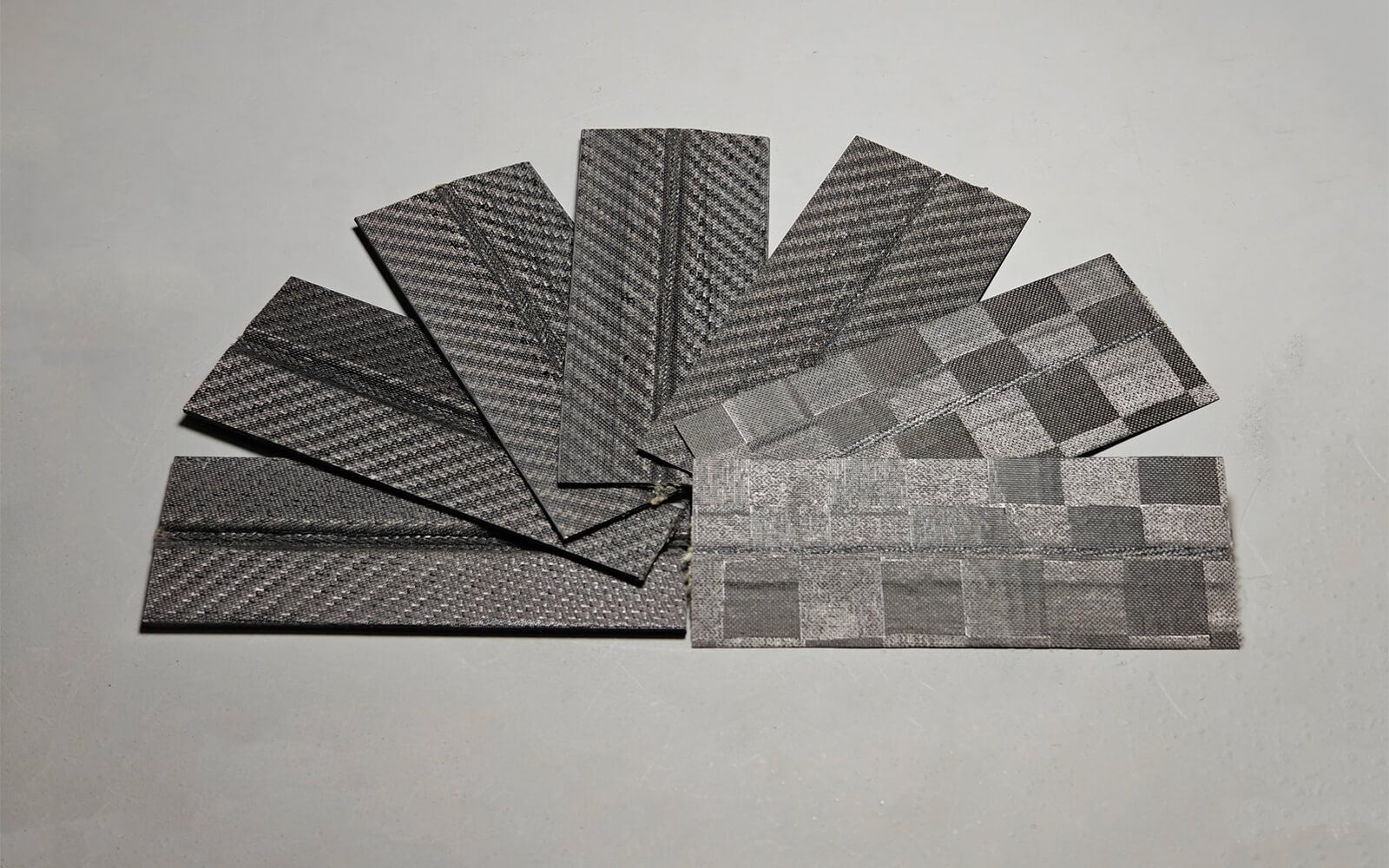
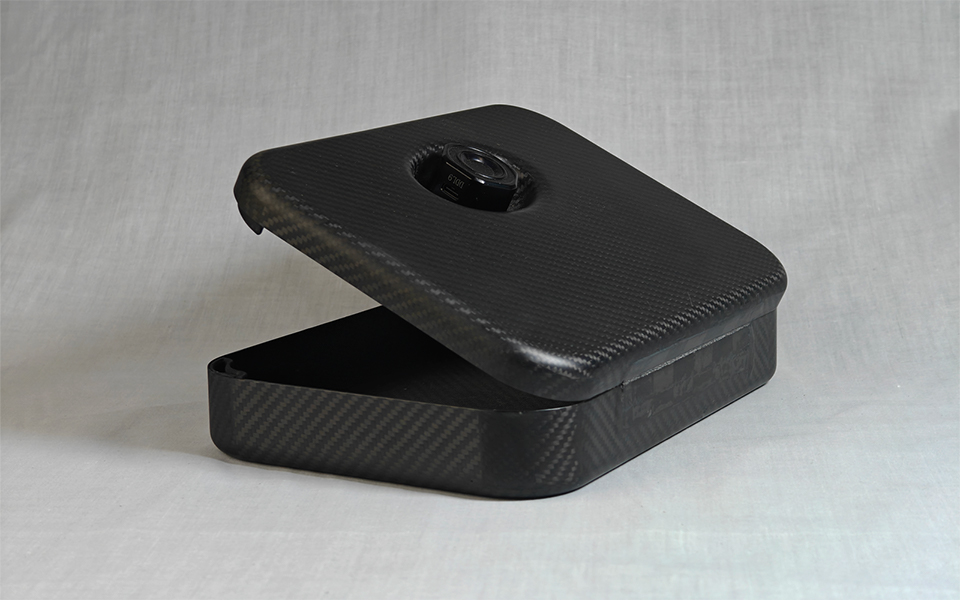
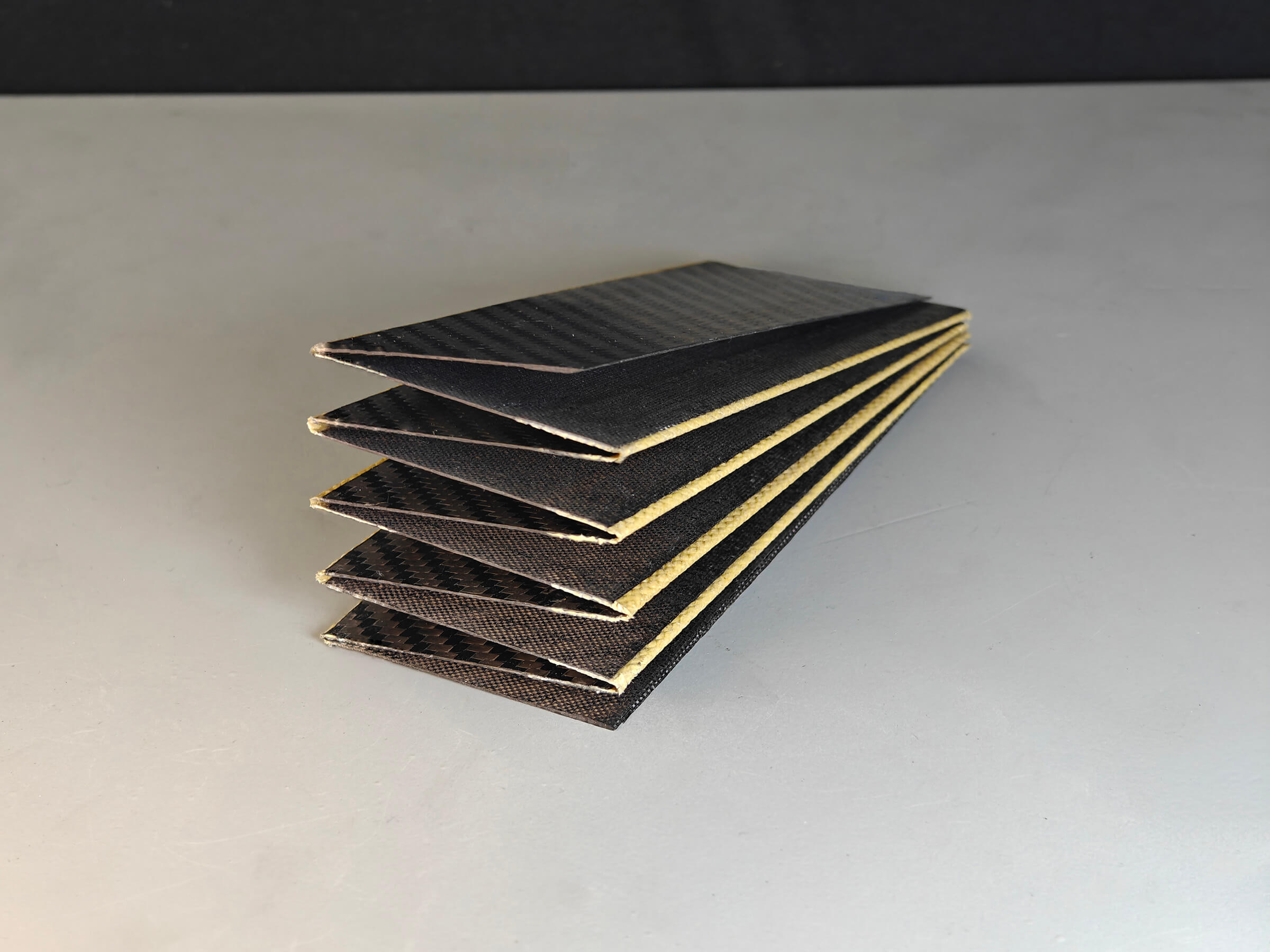
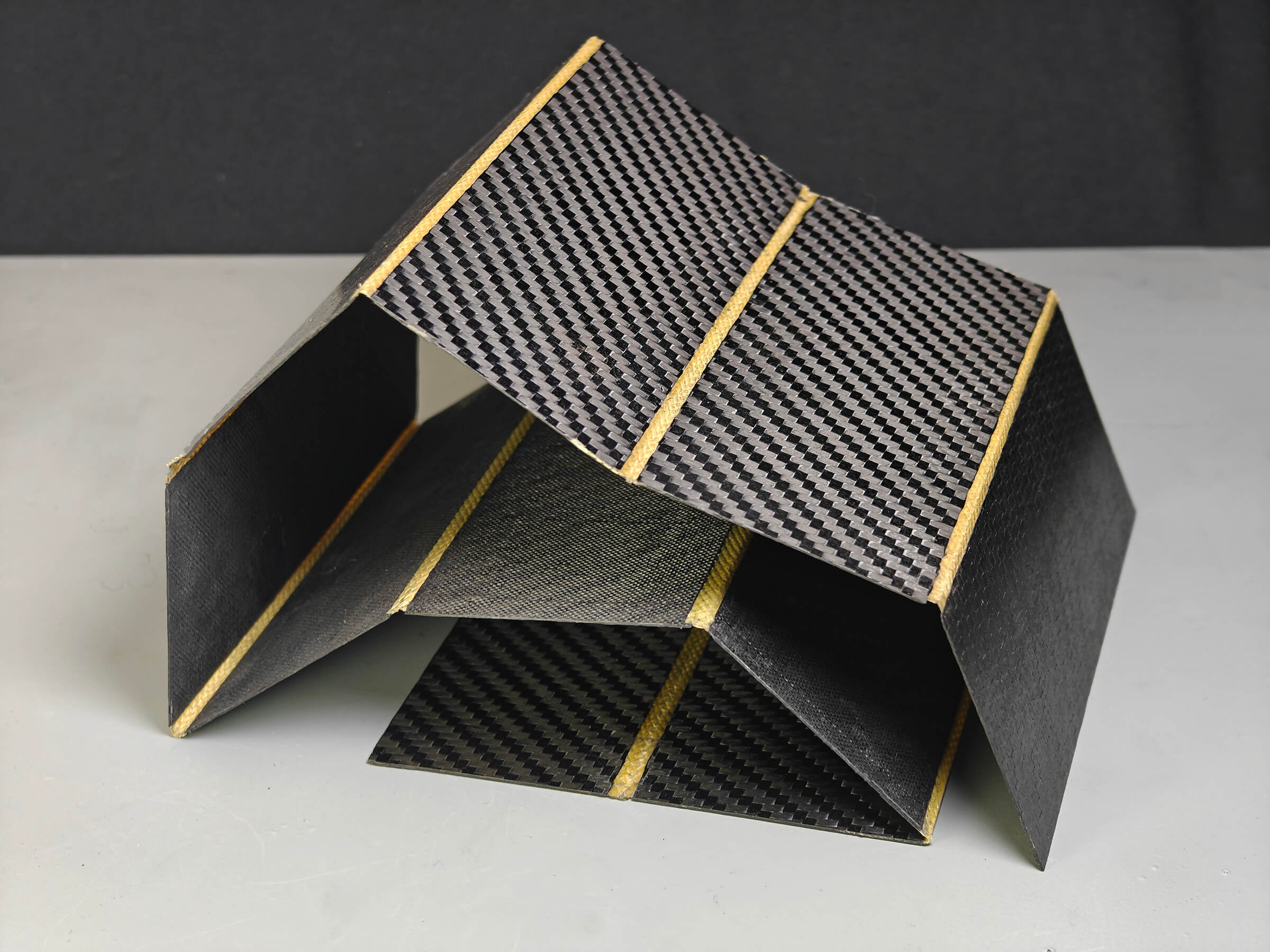
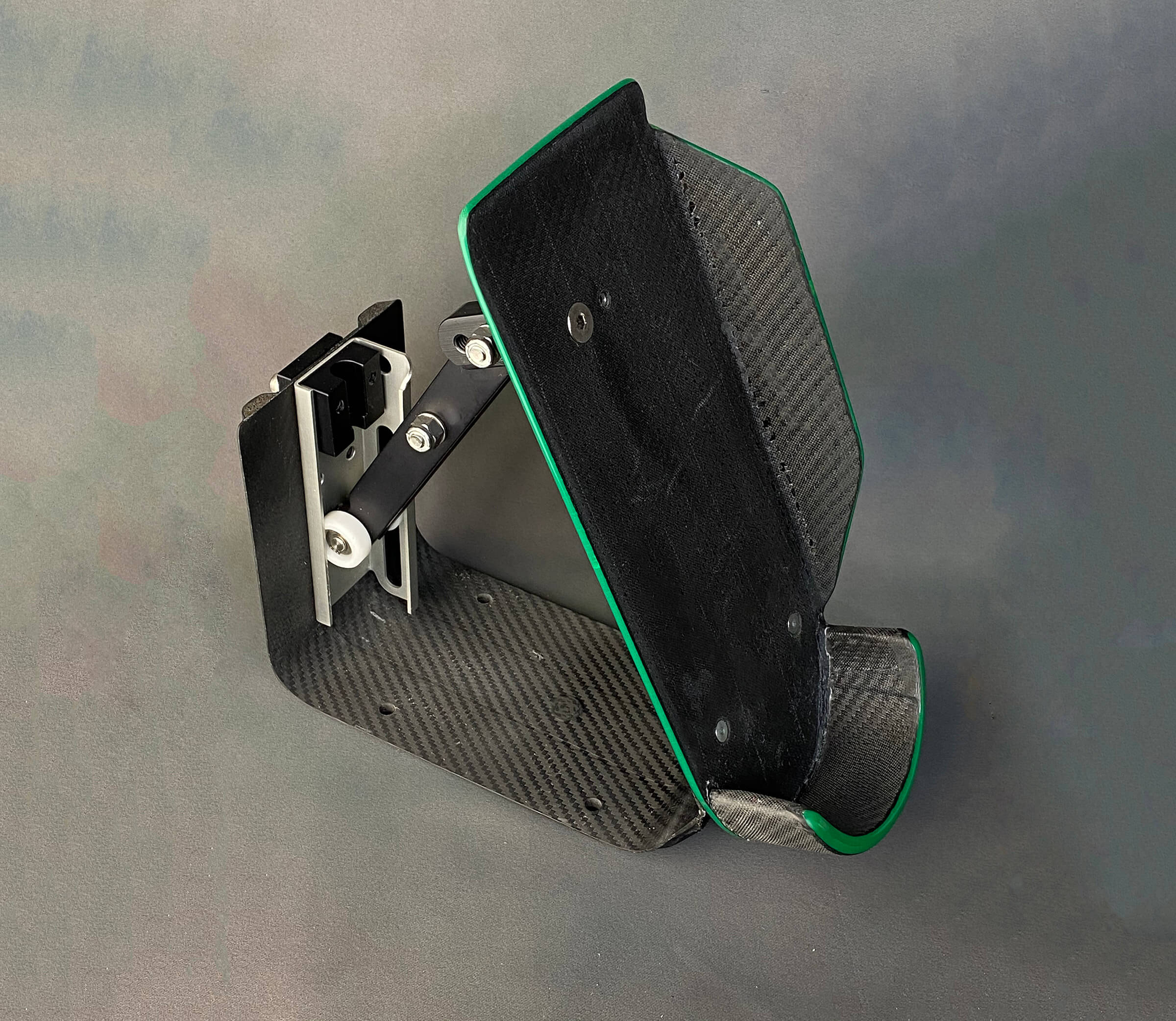
Carbon Hinge makes a product that, while niche, has an array of applications and wide market appeal. Carbon Hinge has created numerous products that fit broadly within three ranges: the thin range, the standard range and the heavy-duty range. The composite construction of each hinge allows them to be strong while maintaining a thin profile. As an example, the standard reinforced hinge can carry loads of up to 260 kg, with a closed thickness of only 3.5 mm. The thinnest hinge we produce (part of the thin range) has a profile of 0.5 mm while closed and holds 115 kg. The fibreglass versions offer new properties the carbon hinges can’t: RF (radio frequency) transparency and complete non-conductivity, which matters anywhere an antenna, an enclosure, or an EMI requirement lives.
Read more
Read less
Carbon Hinge as a company and product existed before I started at Talon. The product was developed, launched, and was already in international distribution before I joined. This meant I had found myself in a role I was not used to and had to learn quickly and on my feet. My focus was to help to improve the manufacturing and grow a live product without affecting our current market sales. Talon only had 4 full-time employees, which made my job quite tricky because I also had a lot going on with LPM and other client work too.
I had worked on small jobs for the hinge since I started at Talon, but my involvement really picked up in 2024. At a high-level, my role was to make Carbon Hinge easier and faster to manufacture with fewer QC (quality control) failures and known to more clients. When I was brought in to work on Carbon Hinge, the website and shop were both dated, there was almost no marketing or outreach. We also had a very rudimentary manufacturing process that was hard to scale.
Every change has to optimise the product without disrupting supply
Improving a product already in production requires a completely different approach to developing a product from scratch. You aren’t asking yourself "what's the best way to make this?" but rather "what's the best way to make this product, while allowing for a seamless transition into the new process with no production downtime?"
Read more
Read less
Much of my focus has been on optimising the manufacturing process through tooling and systems design. While I can’t elaborate in great detail (due to trade secrets), my work involved opening up the tool to make material easier to lay. I also increased the output of each tool to tighter product tolerances while maintaining a similar amount of operator input.
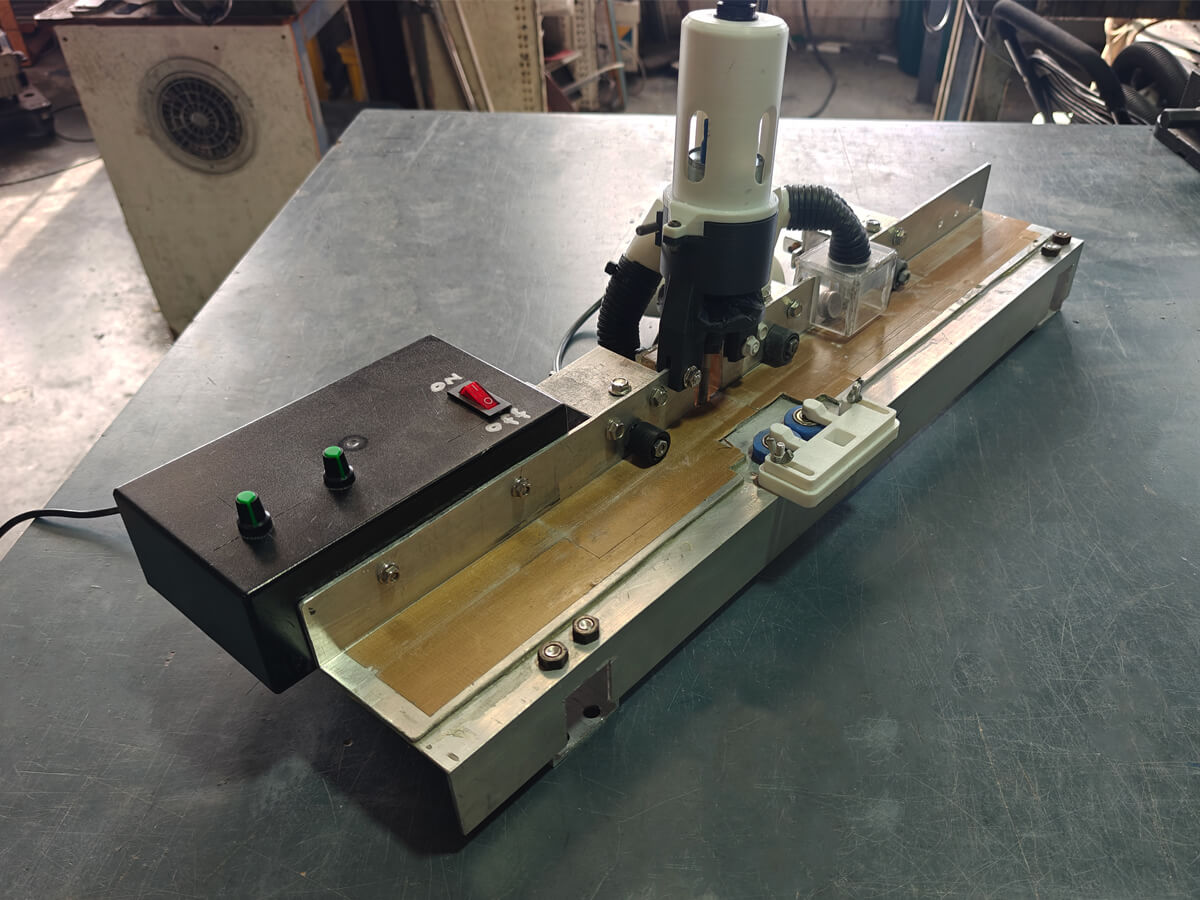
Manufacturing the hinges involves more than just the tooling, and other sections of the process still needed work to improve scalability. All of our hinges had a post-sanding process that required serious labour. This part of the process is not scalable and only acceptable for current production volumes. To address this issue, I designed and planned a process to semi-automate the sanding of all our hinges. I worked closely with a mechanical engineering intern who was with us at the time to build and fine-tune the automated sanding machine. I not only enjoyed seeing my design come to life, but managing and mentoring the intern was also really rewarding. The machine is still in the prototype stage, but has reduced the number of hours required by 75% for the majority of the variants. Working collaboratively and as a leader was also highly beneficial. I learnt a lot about team management and trusting someone to do the work assigned, while allowing myself to be open to new suggestions. Although I had been in management roles before, having a technically minded engineering student as an intern was a change. I had to take a step back and recognise the intern’s strengths, and while challenging, it will only help me as I progress in my career.
In order to expand the business, I also had to improve the marketing and sales approach. I started by reworking the digital landscape using my graphic design skills, although it has been a learning process from the beginning. I have rebuilt the website twice. The first rebuild focused on making the shop more user-friendly, with consistent information updates, articles and material for resellers. The second rebuild was a complete site overhaul and is now the current site. I completely redesigned the brand colours, logo, information and shop. In addition to redesigning the website and shop, I also manage the LinkedIn page for Carbon Hinge and use it as a tool for outreach and promotion. To understand the client base and reach new clients, I have also participated in both IndoPacific 2025 and Avalon Airshow 2023 trade shows, researched exhibitor lists, run regular email campaigns and prepared physical samples to send to US markets. Through consistent work, I have generated several leads which have led to new clients and increased sales. I have found that my personable, honest and knowledgeable approach has given me the greatest success.
The marketing was the part I was least ready for
Running marketing can be an arduous task. Not having much idea of how to do it, or the resources to apply strategies properly, makes it a lot harder. I made a few mistakes, from not being consistent with my outreach to getting the pricing wrong on the website. That one was a particular frustration, because we had around 100 hinge variants and Wix did not handle that well. These have become good lessons. At Talon I have often found myself slightly out of my depth experience-wise, and I have learned a lot about staying flexible and shifting my approach to deliver the work anyway.
Read more
Read less
Seven variants, and 75% off the labour time in finishing
Seven variants across three ranges, measured at closed thickness with
static load rated over 50 mm of hinge length.
Read more
Read less
| Range | Variant | Closed | Static load |
|---|---|---|---|
| Thin | Ultra | 0.5 mm | 115 kg |
| Thin | Aero | 0.8 mm | 130 kg |
| Standard | Lightweight | 1.6 mm | 200 kg |
| Standard | Standard | 3 mm | 210 kg |
| Heavy duty | Standard reinforced | 3.5 mm | 260 kg |
| Heavy duty | Heavy duty | 5 mm | 220 kg |
| Heavy duty | Heavy duty reinforced | 5.5 mm | 260 kg |
Before optimisation, it used to take, on average, 1 hour to manufacture 25 hinges. With the new edge sander that I designed and collaboratively manufactured, making 25 hinges now takes 15 minutes. We have also had some fantastic feedback on the new website - significantly clearer product range and potential applications, in addition to listing the properties.
A good product, now a better made and better known one
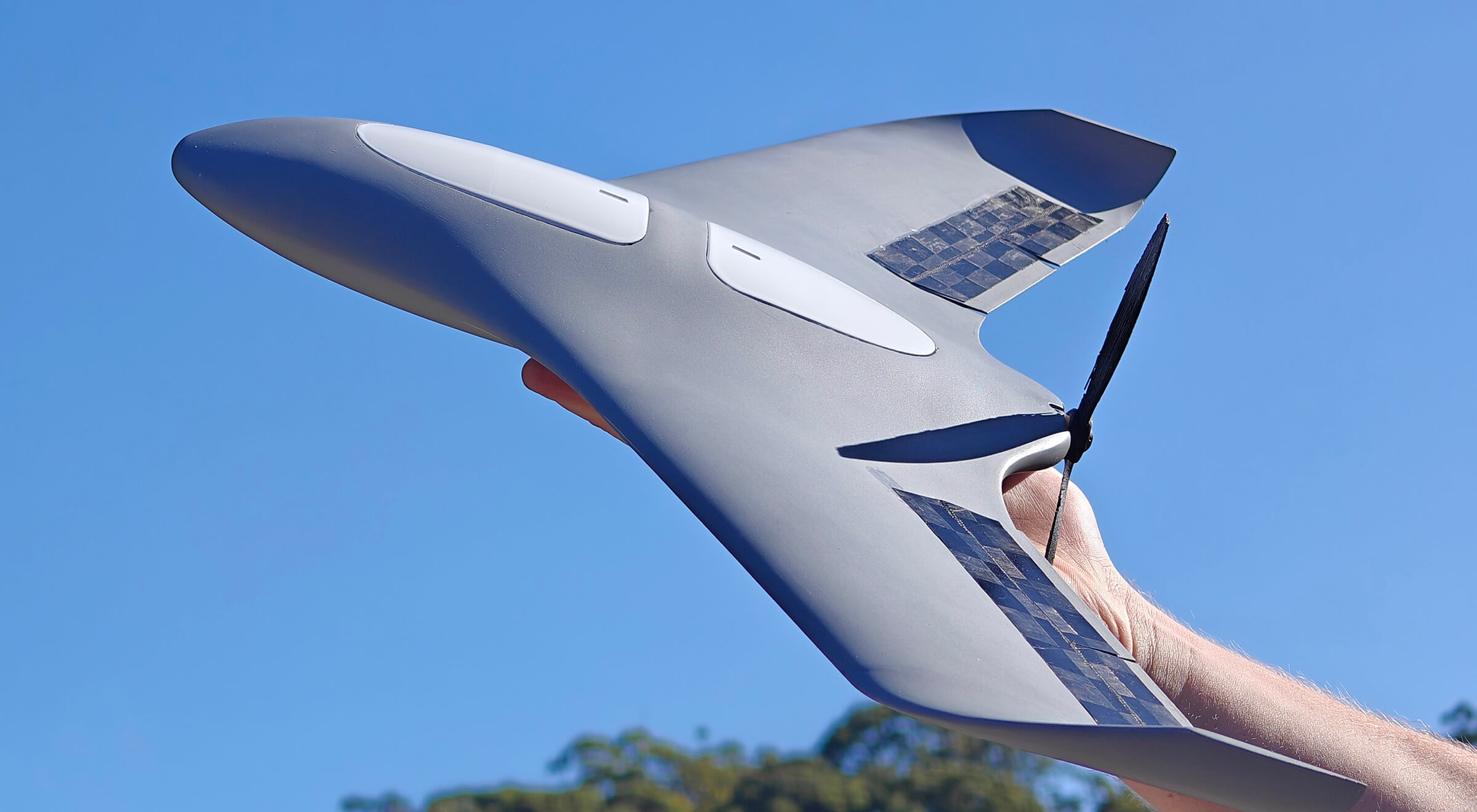
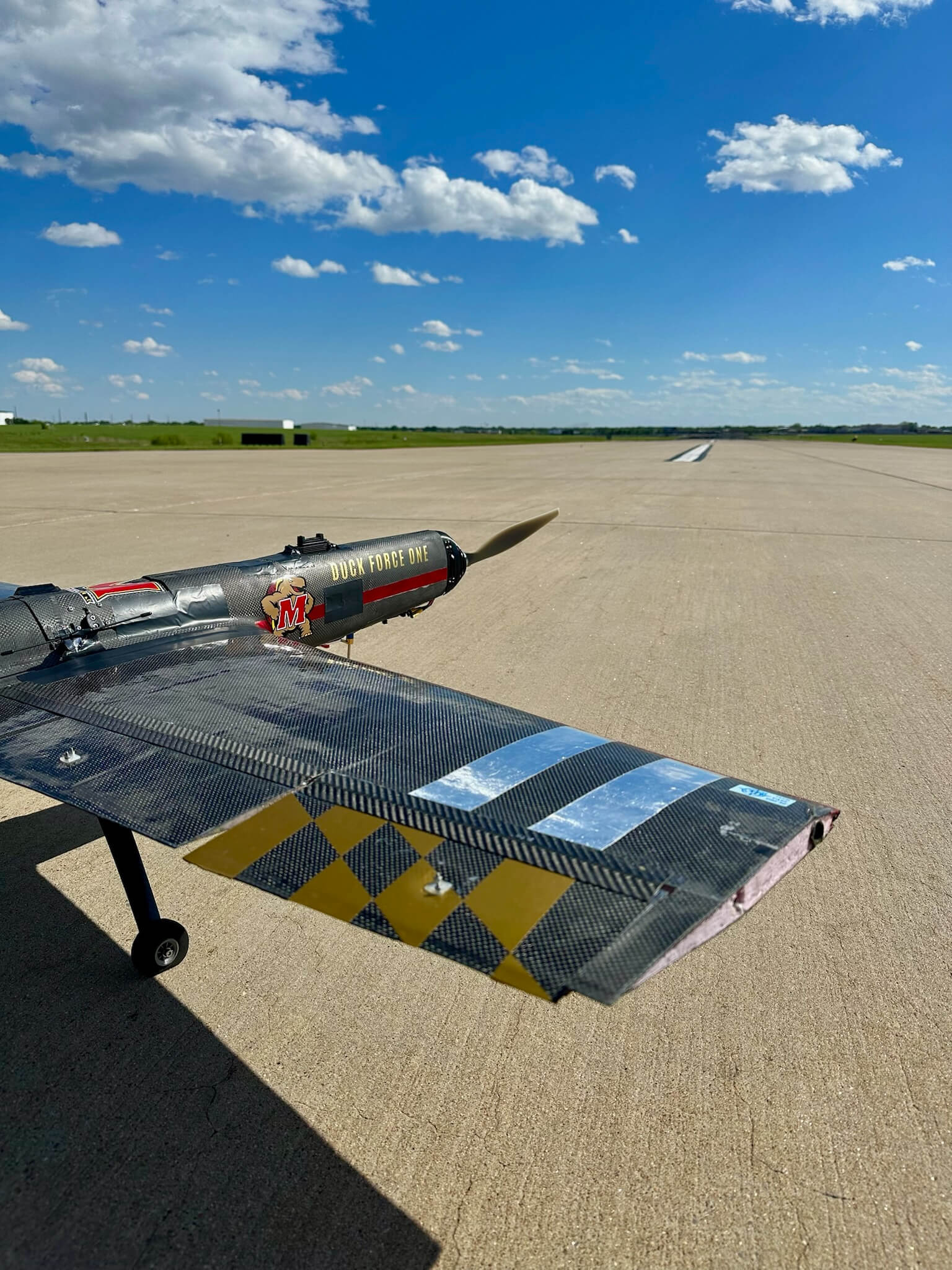
Carbon Hinge sells internationally through distribution in the US and Europe. The current focus continues to be on market expansion and reaching new clients. I have targeted OEM (original equipment manufacturer) outreach across enclosure, antenna, and UAV markets, with sample programs putting hinges directly into potential customers' hands. Of those customers, I have landed a few. I also continue to manage the social media pages.
Read more
Read less
The hinge was already a great product with amazing potential when I inherited my role. Being Program Manager of Carbon Hinge has been a fantastic way for me to learn a different side of the business and has helped me to develop useful skills, even if it was a trial by fire.
.jpg)
.jpg)
.jpg)